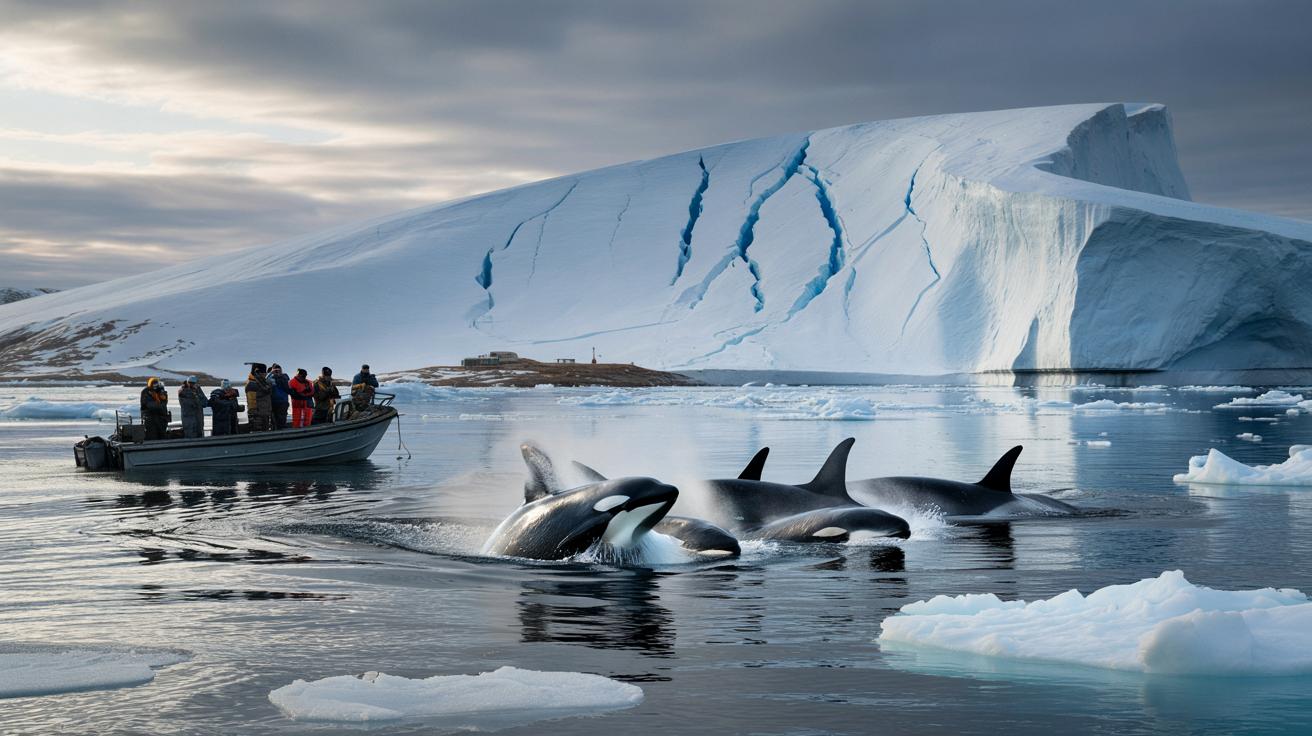
The radio crackled just before noon, slicing through the low Arctic hum like a warning siren wrapped in static. A small research boat sat still in a lead of open water off western Greenland, surrounded by drifting ice the color of dirty glass. On the horizon, a black dorsal fin cut the surface, then another, then another. Orcas, where until a few years ago there had been only solid sea ice and silence. On shore, somewhere behind the ice-streaked cliffs, a satellite phone pinged: the local authorities were moving to declare an emergency. Not because of the whales themselves, but because of what their sudden arrival meant for the ice, the wildlife, and the people who live here.
Nobody on deck spoke for a moment. Then one scientist whispered what everyone else was thinking.
When killer whales meet a melting world
The first thing you notice is how close everything feels. The orcas surface just a few meters from the boat, their breath hanging in the icy air like steam from a train. Behind them, a vast ice shelf looms, cracked and stained with meltwater lines, as if someone had drawn blue veins across its face. A few years back, this edge would have been buried in fast ice, thick and stubborn, blocking any large predator from getting in. Now it’s open water. A corridor. A hunting ground.
Researchers grip their cameras a little tighter. The ice under their hull pops and sighs. Nothing here feels stable anymore.
Greenland’s west coast used to be a fortress of sea ice for much of the year. Local hunters talk about winters where the fjords locked up solid by October, and the ice didn’t really break until late spring. Recent satellite data tell a different story: sea-ice cover in some Greenlandic fjords has dropped by up to 70% in a few decades, and the season when the water is clear enough for big whales has grown longer. That’s how orcas – top predators that once skirted the edges of this frozen world – are suddenly slipping in close to glaciers and ice shelves.
On a July morning in 2024, a research team logged more than 30 orcas in a single narrow inlet where none had ever been officially recorded before. That’s not a shift. That’s a rupture.
What’s happening is brutally simple. As the planet warms, Greenland’s ice shelves and sea ice are thinning and retreating, especially around the edges where the ocean pushes in. Open water appears earlier, stays longer, and forms dark pools that absorb more heat than bright, reflective ice. The result is a self-feeding loop of melt and warming. Orcas, highly intelligent and opportunistic, follow that open water like a moving invitation. They find new routes, new prey, new spaces to dominate.
This isn’t just a wildlife story. When orcas move in, they disrupt centuries-old balances between seals, fish, and people. A shifting ocean is rewriting the rules in real time.
Emergency on the ice edge: what Greenland is really afraid of
The emergency declaration in western Greenland didn’t come because someone suddenly “discovered” that orcas exist. It came because hunters were radioing in scenes they’d never witnessed in their lifetimes. Packs of orcas pinning narwhals and seals against melting ice edges, turning once-safe breathing holes into deadly traps. Entire pods pushing deep into fjords that used to be winter refuges for ice-dependent species.
Authorities and scientists heard the same urgent pattern in every report: the ice was too thin, the whales too many, the old rhythms broken. For a region where ice is both road and shield, that’s more than a curiosity. It’s a threat.
One coastal village, tucked into a narrow fjord, has become an example researchers now cite in briefings. Narwhals used to gather there in late summer, lingering in pockets of sea ice where orcas rarely ventured. People hunted a few, carefully, using meat and skin for food and sharing the catch along complex community lines. Then came a year when the ice broke weeks early. That summer, local hunters watched orcas drive narwhals into shallow water, killing so many that carcasses washed ashore for days.
What looked, from a distance, like a spectacular wildlife event felt, up close, like a collapse of a shared resource.
The emergency framing is also a bureaucratic tool. By declaring a localized environmental emergency, Greenlandic authorities can redirect research vessels, fast-track data flights, and get rapid support from Danish and international partners. They can ask for satellite time to watch ice shelves in near real time. They can warn communities that traditional travel routes over sea ice may no longer be safe, not just because the ice is thin but because orcas may be hunting closer to shore, disturbing seals and fish that people rely on.
Underneath the paperwork lies a simpler truth: **the Arctic is changing faster than its rules**. The orcas are just the most visible ambassadors of that change, slicing black and white through the new blue water.
What we can actually do from thousands of kilometers away
Standing on a windy European balcony or in a North American city apartment, it’s easy to feel far from Greenland’s ice shelves and surfacing orcas. The distance is real, but the link isn’t as abstract as it sounds. Every extra ton of CO₂ in the atmosphere nudges ocean temperatures up, shifting sea-ice seasons and opening those watery corridors that orcas now ride into Arctic fjords. One precise move matters more than ten vague intentions: cut one recurring piece of fossil-fuel use you control.
That might mean choosing a train for a work trip once a year instead of flying, or swapping a daily solo car commute with a carpool twice a week. Small, boring choices in warm streets ripple into cold water.
There’s also the question of what stories we amplify. Greenland’s emergency declaration is the kind of headline that flares for a day, then sinks under another wave of news. *We’ve all had that moment where we read a striking article, feel a jolt, then carry on exactly as before.* Next time, don’t just scroll. Share it with one person who doesn’t usually click on climate stories and add a simple note: “This feels bigger than it sounds.” Slow, repeated contact with real images and lived voices from the Arctic shifts public appetite for action in ways that charts alone never do.
Soyons honnêtes : personne ne fait vraiment ça tous les jours. But once in a while is already better than silence.
On the policy front, researchers in Greenland say the most helpful thing outsiders can do is keep pressure on their own governments. Stronger climate commitments, real methane cuts, and funding for Arctic monitoring aren’t abstract diplomatic talking points; they’re the reason a small research boat might have fuel next summer to go back and measure how far the orcas have advanced.
➡️ Skipping the gym for walking works "but only if you walk non-stop for 30 minutes at a 5 km/h pace"
➡️ I learned it at 60 : people know difference between white eggs and brown eggs
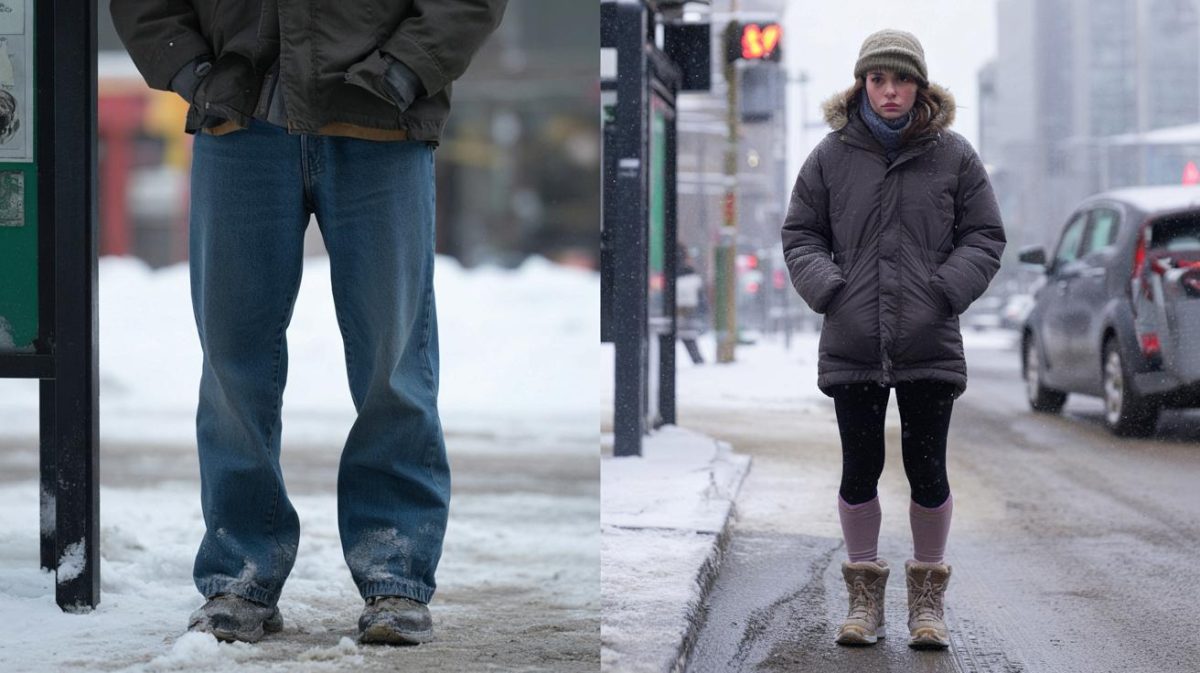
➡️ Why wearing jeans in cold winter weather is discouraged "and what to wear instead to stay warm"
➡️ Boiling lemon peel, cinnamon and ginger : why recommend it and what it’s for
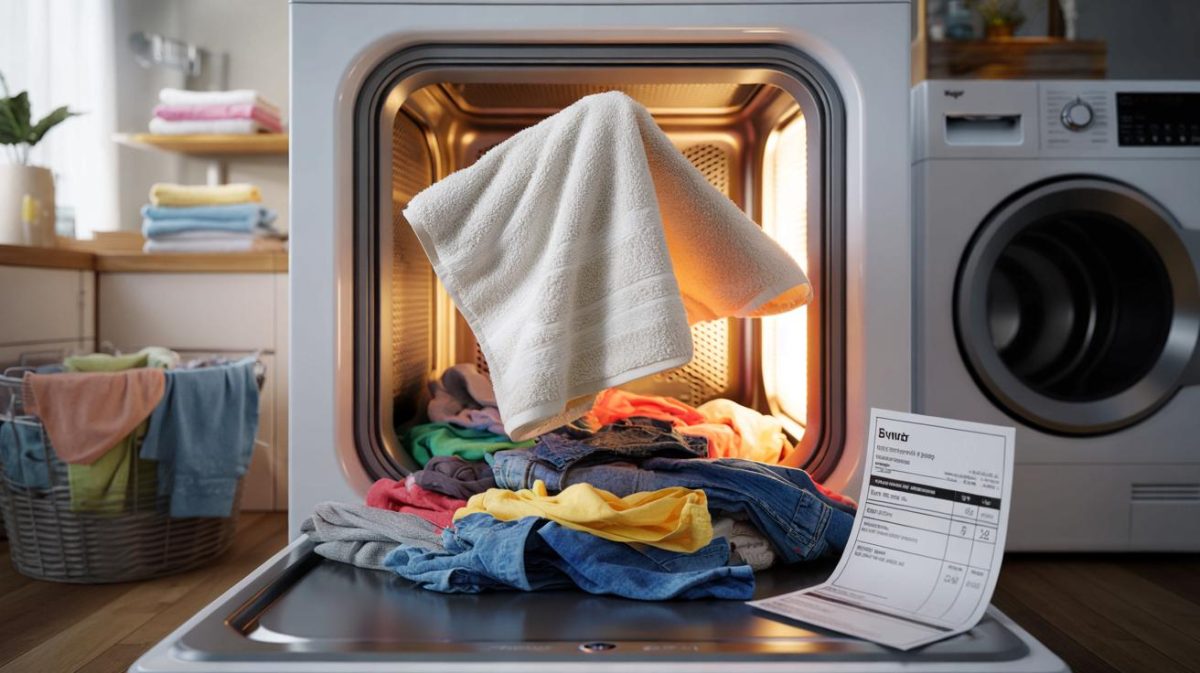
➡️ Putting a dry towel into the dryer with your wet clothes can reduce the cycle time and save on costs
“What scares us most isn’t the orcas,” one Greenlandic scientist told me over a crackly line. “It’s the speed. We’re running behind a moving target, and we need the world to help us catch up.”
- Follow the story beyond the first headline: look for local voices, Indigenous perspectives, and long-term datasets.
- Support organizations that fund polar research and community adaptation, not just symbolic campaigns.
- Talk about the Arctic at your dinner table as if it’s part of your neighborhood, because in climate terms, it is.
A frontier shifting in real time
The image that stays with you is not just the orca’s fin but the sound of the ice. Researchers describe it like faint gunfire under the waterline – pops, cracks, sighs – as meltwater carves paths through an ice shelf’s hidden belly. Orcas slide through this world with ease, exploiting new gaps, claiming new routes, while the humans on deck scramble to update maps, models, and mental pictures. The emergency in Greenland isn’t a single event. It’s a moment when the pace of change finally breaks through political noise and demands a name.
Call it a warning. Call it a test of how quickly our species can adapt its habits to the data in front of us.
This isn’t a story you watch from a safe distance, even if you never feel Arctic air on your face. The same fuel that warms a suburban highway at night is thinning the sea ice that once stopped orcas from pushing into narwhal nurseries. The same economic choices that favor cheap, short-term energy over long-term stability are reflected in the fracture lines running through Greenland’s ice shelves. **We’re all already in the picture**, whether we like the camera angle or not.
What happens next will be measured in meters of ice lost, new migration routes drawn, cultural practices strained, and species that either learn to bend or break.
There’s no tidy ending to offer from the deck of that research boat, only a set of live questions. How far will the orcas go as the ice retreats? How many more “surprise” emergencies will Arctic communities face before the rest of the world catches up emotionally to what scientists have been saying numerically for years? And what will our grandchildren think when they look at photos of glaciers that no longer exist and orcas thriving in waters once too frozen to cross?
The boat engine starts again, low and tentative, as the pod slips back beneath the surface. The ice shelf looms, melting quietly. Somewhere between the crack of the ice and the whoosh of a whale’s breath, the future is being written, line by fragile line.
| Point clé | Détail | Intérêt pour le lecteur |
|---|---|---|
| Orcas near melting ice shelves | Researchers are observing pods breaching close to retreating ice fronts in Greenland | Helps grasp how quickly climate change is redrawing wildlife maps |
| Emergency declaration | Local authorities framed the situation as an environmental emergency to mobilize resources | Shows that this is not distant theory but an active crisis response |
| Your role from afar | Targeted lifestyle changes, political pressure, and sharing grounded stories all matter | Gives concrete ways to connect personal choices with Arctic outcomes |
FAQ :
- Why did Greenland declare an emergency over orcas?Because the sudden influx of orcas into newly ice-free fjords signals rapid ecosystem disruption, threatening local wildlife, hunting traditions, and safety on thinning sea ice.
- Are orcas themselves the problem?No, orcas are adapting to changing conditions. The real issue is the underlying warming and ice loss that open new hunting corridors and destabilize long-established Arctic balances.
- How fast is Greenland’s ice changing?In many coastal areas, sea-ice seasons have shortened by weeks, and some fjords see up to 70% less ice cover than a few decades ago, accelerating access for open-water predators.
- What does this mean for local communities?It reshapes hunting patterns, travel safety, food security, and cultural practices tied to predictable ice and animal behavior, forcing people to adapt at uncomfortable speed.
- Can actions outside the Arctic really make a difference?Yes. Cutting emissions, backing strong climate policies, and funding Arctic monitoring all slow the trends that are opening Greenland’s waters to these sudden, dramatic shifts.