The wind cuts down the street like a blade and everyone moves a little faster, faces buried in scarves.
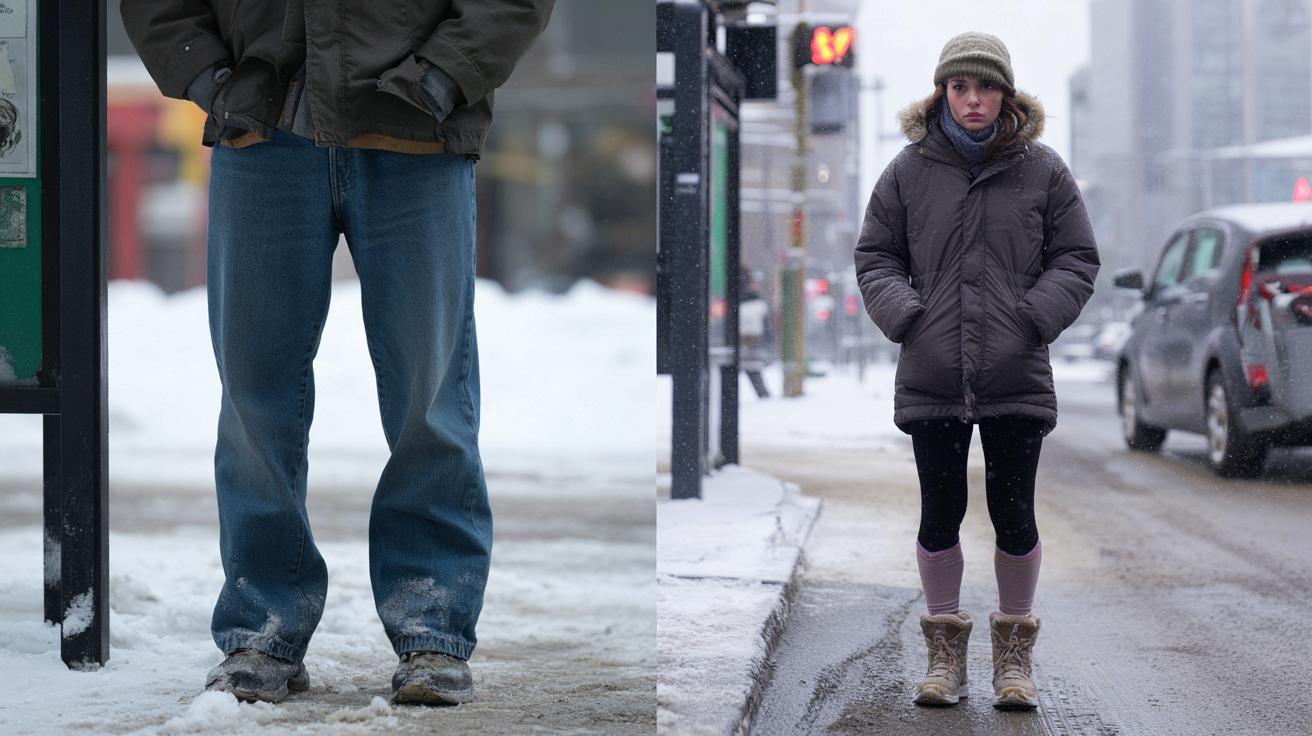
You stamp your feet at the bus stop, pull your coat tighter, and suddenly realize your legs feel like two frozen metal pipes. Your jeans, the ones you wear almost every day without thinking, have turned into a cold, stiff shell.
The bus is late, your thighs are burning from the cold, and you start that tiny shuffle-dance people do when they’re trying not to look miserable. You glance around. Nearly everyone is wearing denim. Nearly everyone looks uncomfortable.
By the time the bus arrives, your legs are numb. Inside, the heating blasts your frozen jeans, and they stay clammy and cold against your skin. Somewhere between the next two stops, a quiet truth settles in: maybe jeans are the worst kind of winter habit.
Why jeans betray you in real winter weather
On a mild autumn day, jeans feel like the perfect middle ground. Not too light, not too heavy, just “normal”. Once real winter kicks in, that illusion breaks very fast. Denim is thick, yes, but *thickness is not warmth*.
The fabric is usually cotton woven in a dense pattern that doesn’t trap much air. No air pockets, no insulation. When the temperature drops below freezing, your legs aren’t wrapped in a cozy shield. They’re wrapped in a cold, stiff fabric that acts more like a refrigerator door.
Cold air slips through seams, through the slightly loose weave, straight to your skin. Your body’s first reaction is to pull blood away from the surface to protect your core. That’s why your thighs and knees start to ache. Jeans don’t just “not help”. They actively work against your body’s way of staying warm.
Ask anyone who’s walked 20 minutes to work in -5°C wearing jeans. The story is almost always the same. Warm at the start, then a creeping chill, then that deep cold that feels like it reaches the bone. By the time they arrive, their legs are red, itchy, and slow to warm up.
One survey by a Scandinavian outdoor brand found that many city commuters underestimate leg insulation dramatically. People will invest money in heavy coats and thermal gloves, yet walk around in the same denim they wore in October. The result: more complaints about “mysterious” winter fatigue, more people catching a chill right after long, cold commutes.
On a snowy day, jeans become even more of a trap. They soak up slush and wet snow quickly. Cotton loves water. Once wet, denim takes ages to dry. That wet fabric sits right against your skin, pulling heat away. You’re not just cold. You’re being slowly drained of warmth by your own trousers.
The physics behind this are boring in theory and brutal in practice. Cotton fibers absorb moisture and cling to it; water conducts heat away from the body about 25 times faster than air. So a thin, slightly damp pair of jeans can feel harsher than a thick, dry pair of wool pants in the same temperature. Your nervous system reads that rapid heat loss as pain.
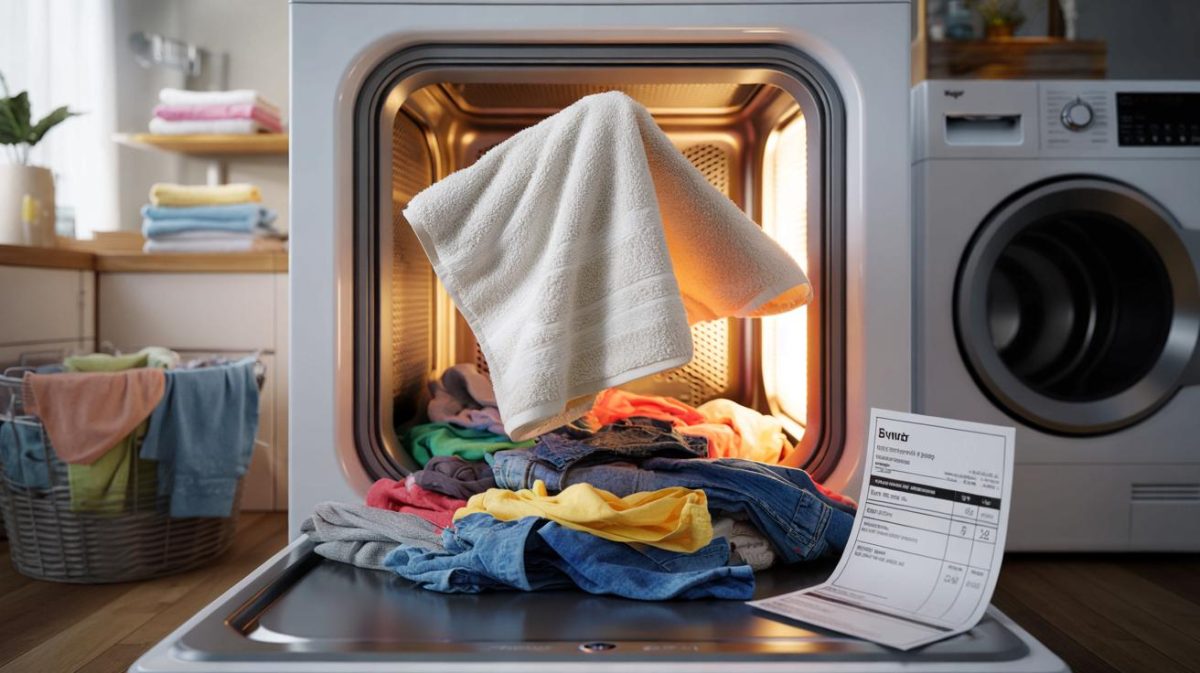
➡️ Putting a dry towel into the dryer with your wet clothes can reduce the cycle time and save on costs
➡️ Emergency declared in Greenland as researchers spot orcas breaching close to melting ice shelves
➡️ Boiling lemon peel, cinnamon and ginger : why recommend it and what it’s for
➡️ Skipping the gym for walking works "but only if you walk non-stop for 30 minutes at a 5 km/h pace"
➡️ I learned it at 60 : people know difference between white eggs and brown eggs
Now add wind. Without any kind of windproof layer, the breeze slices straight through denim. The cold air strips away the warm layer your skin is trying to build. That’s why a short walk in wind with jeans can feel worse than a longer walk in perfectly still cold. Your body fights, but the fabric doesn’t help it.
Over time, repeated exposure like that weakens your comfort threshold. You start to “hate winter”, when in reality, your clothes are forcing your body to fight a losing battle every single morning.
What to wear instead of jeans to actually stay warm
The simplest upgrade is one nobody wants to admit at first: layer under, switch fabric, or both. Start with a thin, close-fitting base layer on your legs. Synthetic thermal leggings or merino wool long johns are the quiet heroes here.
They trap a thin layer of warm air next to your skin and move sweat away before it cools. On top, you can still wear pants you like. But choose materials that work with your body, not against it. Think lined trousers, softshell hiking pants, or wool-blend slacks for workdays.
For the coldest days, a wind-resistant outer layer makes a bigger difference than people expect. Shell pants or insulated overtrousers, even the light ones, turn a painful -10°C walk into something genuinely tolerable. You step outside and feel… fine. Not brave, not suffering. Just fine.
Most people underestimate how much warmth they can gain just by changing the fabric on their legs. Jeans are familiar, and familiarity is powerful. You might tell yourself, “It’s only a short walk”, and then spend the first hour at your desk trying to thaw out your knees.
Softshell or fleece-lined pants look more “technical”, but they’re built for this exact problem. They trap air, block wind, and resist snow. Even a pair of corduroy trousers with a bit of wool in the blend is a step up from plain denim. The grooves in the fabric hold more air, which means more insulation.
There’s also the comfort factor once you’re indoors. Jeans that arrived wet and cold will stay that way for a while. Warm, breathable fabrics dry faster, feel softer on the skin, and keep your temperature more stable. Your body spends less energy just trying not to freeze, which leaves you with more energy for… living.
“Dress your legs with the same respect you give your chest in winter. A thick coat and thin pants is like locking the front door and leaving the windows wide open.”
Here’s a quick mental checklist you can keep in your head before stepping out into real cold:
- Is there a **base layer** touching my skin, or just bare legs and denim?
- Does the outer fabric **trap air**, or is it a flat, dense cotton like classic jeans?
- Can this material handle **snow and slush** without staying wet for hours?
- Is there at least one layer that offers some **wind resistance**?
- Will I feel okay in this outfit if I miss the bus and have to walk twice as long?
Rethinking winter comfort, one habit at a time
There’s a quiet shift that happens when you stop treating winter as an enemy and start treating it like a technical challenge. Your wardrobe becomes less about “What do I normally wear?” and more about “What does my body need to stay warm today?”. It sounds serious, yet the effects are unexpectedly soft: less shivering, fewer grumpy mornings, more energy left over in the evening.
We spend so much time thinking about the big, visible pieces: the stylish coat, the nice scarf, the right boots. Legs are almost an afterthought. Then we wonder why the cold feels so exhausting. Once you upgrade what’s below your waist, winter days don’t feel like a fight the whole time.
On a very human level, this is about comfort and dignity. Nobody enjoys arriving somewhere with soaked jeans clinging to their skin. Nobody enjoys that slow, painful thaw where your thighs burn and itch. When you switch to warmer legwear, your whole routine softens. Morning walks are less of a punishment, late-night dog walks feel manageable, and you stop dreading the weather app.
And yes, there will still be days when you tug on your favorite jeans because they just go with everything. Soyons honnêtes : personne ne fait vraiment ça tous les jours parfaitement, avec les bons sous-couches à chaque sortie. The point isn’t to be flawless. It’s to notice that small decisions about fabric and layering can change how winter feels, not just how it looks.
| Point clé | Détail | Intérêt pour le lecteur |
|---|---|---|
| Denim and cold don’t mix | Cotton jeans absorb moisture, let wind through, and offer weak insulation | Helps explain why legs feel painfully cold even with a good coat |
| Layering beats thickness | Thin thermal base layers plus wind-resistant outer pants keep warmth in | Gives a practical method to feel warmer without bulky clothing |
| Fabric choice matters | Wool, softshell, fleece-lined or lined trousers outperform standard denim | Offers clear alternatives, so the reader can upgrade their winter outfits easily |
FAQ :
- Are jeans really that bad in winter if I’m only outside for a few minutes?Short trips are less risky, but repeated exposure still adds up. If you go in and out many times a day, warmer fabrics or a base layer under your jeans will keep your legs from constantly swinging between numb and overheated.
- Can I wear leggings or tights under jeans to stay warm?Yes, this is one of the easiest fixes. A thin thermal legging or merino tight under your jeans turns them into a much warmer option, especially if you’re not ready to give up denim entirely.
- What fabrics are best for winter pants?Look for wool or wool blends, softshell materials, fleece-lined pants, or insulated hiking trousers. These are designed to trap air, block wind, and handle moisture better than pure cotton denim.
- Do skinny jeans make you colder than looser jeans?Very tight jeans leave less room for insulating air and can press cold, damp fabric right against your skin. A slightly looser fit allows more air pockets and leaves space for a base layer underneath.
- Is it worth buying special “winter jeans”?Some lined or flannel-backed jeans can be a decent compromise. They’re warmer than standard denim, but still not as effective as proper winter fabrics. If you love the look of jeans, lined versions plus a base layer can be a solid step forward.